
What are the early warning signs of septic tank failure?
Slow drains in more than one fixture at once is usually the first clue. One slow sink might just be that sink. A slow sink, a slow tub and a toilet that gurgles when the washing machine drains all in the same week points at the tank, not the fixture. Standing water or a soggy patch over the drain field, especially one that stays wet after dry weather, is next. Add a sulfur or sewage smell near the tank lid or drain field and you have three of the four classic signs. Homeowners in Irvine dealing with any two of these at once should schedule septic pumping service rather than wait. Tank size and household size drive the pumping interval, and a household that has grown since the tank was installed will hit capacity faster than the 3 to 5 year average suggests. If you are unsure how the interval applies to your situation, how often to pump a septic tank walks through the variables. Waiting past the warning signs almost always costs more than the pump-out would have.
Why does my septic system smell bad?
A sewage smell means gas is escaping somewhere it should not be, usually a full tank, a cracked lid, or a dry P-trap letting gas back up into the house. Inside the house, a dry trap under a rarely-used sink or floor drain is the cheap fix. Outside, a rotten-egg smell near the tank or drain field usually means solids have built past a safe level. This isn't a paint or chemical exposure issue and doesn't fall under the same washing rules as OSHA 1926.51(f)(1), which covers coatings and pesticides on job sites, but it is still a signal not to ignore. If the smell is coming from a grease interceptor rather than a home septic tank, the trigger point is different: a grease interceptor is pumped when fats, oils, grease and solids reach 25 percent of the liquid depth, and grease trap pumping covers that separately from residential tanks. Either way, a bad smell today is cheaper to fix than a backed-up line next month.
What happens if I ignore these signs?
Ignored warning signs turn into backups, and backups turn into sewage in the house or a saturated drain field that has to be excavated. Costs move quickly once solids reach the drain field, because a clogged field usually means replacing pipe, not just pumping the tank. For a homeowner near Irvine or in nearby Laguna Woods, 5.6 miles southeast, that jump from a routine pump-out to a field repair is the difference between a scheduled service call and an emergency dig. Septic tank cleaning removes accumulated sludge before it reaches that point, and it is worth doing on schedule rather than reactively. If a backup happens on a weekend or after hours, emergency septic service is the faster path than waiting for a Monday appointment. Renovation projects that disturb the yard near a tank or field also raise risk, and homeowners doing that kind of work often add temporary fence rental around the excavation for safety while the system is exposed.

Do I need a holding tank while my septic system is being repaired?
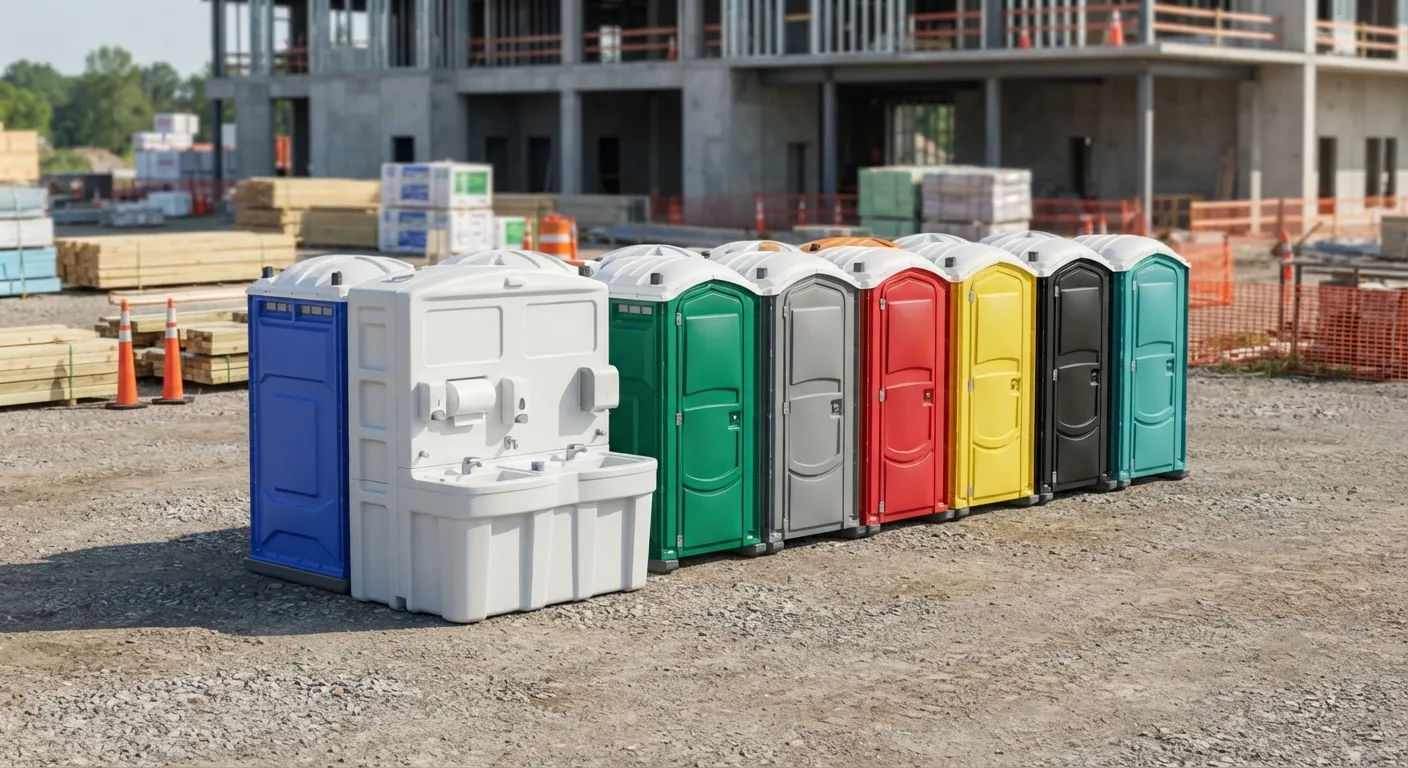
Yes, if the repair takes the system offline for more than a day, a holding tank keeps the household functional. Septic repairs that involve digging out a drain field can take longer than expected once the crew sees what's underground, and a house with no working toilet for that stretch needs a stopgap. Holding tank rental covers that gap, and pairing it with a standard porta potty rental or two outside keeps the household running while plumbers work inside. For a family that wants something closer to a normal bathroom during the repair, a restroom trailer rental is the more comfortable option, and a 2 stall restroom trailer covers most households through a multi-day fix.
| unit | duration | typical price |
|---|---|---|
| septic (pump-out) | day | $250 |
| septic (pump-out) | weekend | $100 |
| standard portable toilet | week | $200 |
Irvine Porta Pros handles both sides of this: the pump-out itself and the temporary sanitation while repairs are underway. If your property sits closer to Laguna Hills, 8.5 miles southeast, or Aliso Viejo, 10.8 miles south, the same warning signs and the same response options apply.
How much does septic tank pumping cost in Irvine?
A standard residential pump-out typically runs in the $150 to $300 range for a day-of service call, based on measured pricing data. Exact cost depends on tank size, access and how much sludge has built up. See septic tank pumping cost for the full breakdown.
How often should a septic tank be pumped?
Every 3 to 5 years for most residential tanks, though household size and tank size shift that window. A larger household on a smaller tank should lean toward the 3 year end. Full detail is on how often to pump a septic tank.
Can I use my toilets during a septic tank pump-out?
Not while the pump truck is actively working, but service typically takes a few hours, not days. If your household needs a backup during that window, a porta potty rental or portable restroom rental covers the gap without disrupting the crew.
What is the difference between a septic backup and a grease trap issue?
A septic backup involves the home's wastewater tank and drain field. A grease trap or interceptor is a separate system, usually for commercial kitchens, that fills with fats and oils rather than household sewage. See grease trap pumping for that process.
Do I need a permit to have my septic tank pumped in Irvine?
Permit rules vary by situation and should be confirmed directly with the city before scheduling excavation work. For general placement questions tied to portable sanitation during a repair, porta potty permit requirements has related guidance, though septic-specific permitting is a separate question for your provider to confirm.
Next step
Get a delivery date
Tell us the address, the dates and the headcount. We size the order and confirm the route.